Contemporary Interior Design: Current, Clean and Flexible (2026)
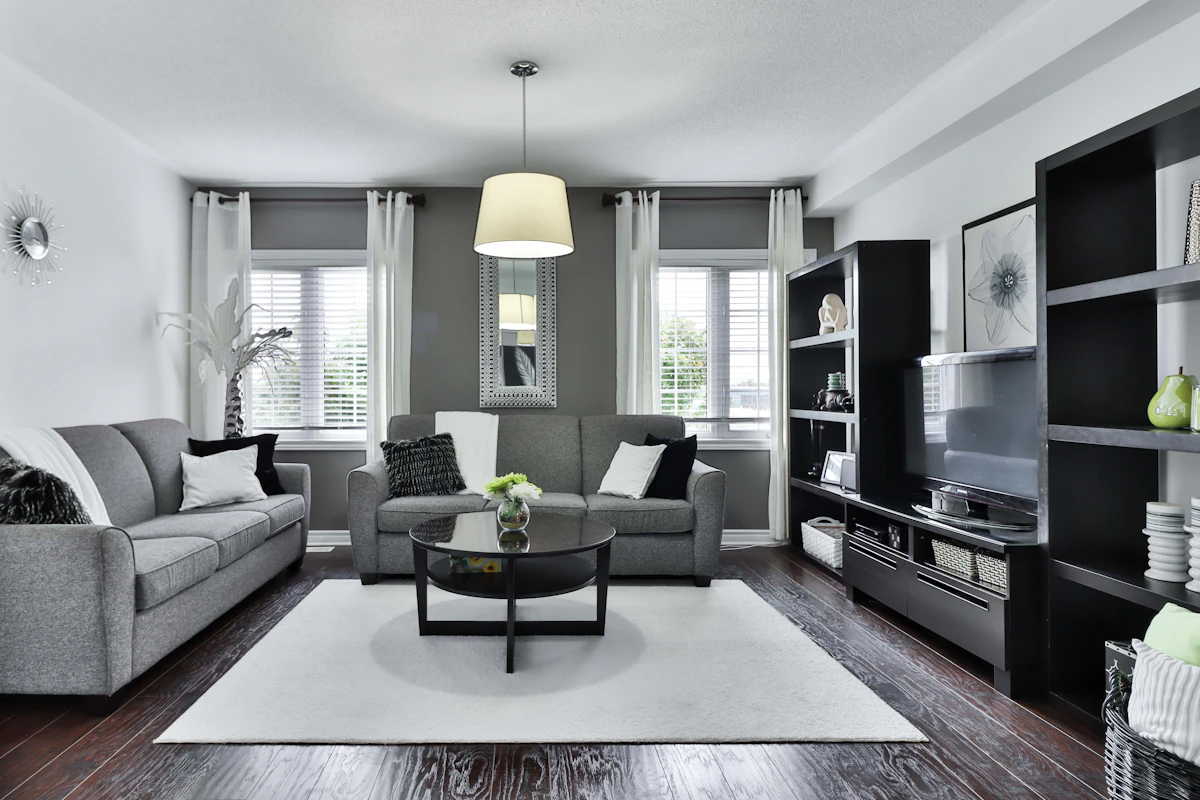
Quick answer: Contemporary design is what is current now. It uses clean lines, open space and a neutral palette, but it changes with fashion, so it includes curved furniture, bold colours and new materials. The key is a simple base that can be updated with textiles and art.
At a glance
- Contemporary design is what is current now. It uses clean lines, open space and a neutral palette, but it changes with fashion, so it includes curved furniture, bold colours and new materials. The key is a simple base th
- Measurements are given in imperial and metric throughout this guide.
- Check the measurements table and the 5 mistakes to avoid before you buy anything.
Contemporary design is often confused with modern design, but it is not the same. Modern design is a historical style. Contemporary design is whatever is current, and it changes as fashion changes. That makes it flexible, but it also makes it hard to pin down. This guide explains what contemporary design looks like now, how it differs from modern design, and how to create a contemporary home that does not date quickly.
What contemporary means now
Contemporary design right now favours clean lines, open space, a neutral palette, and a mix of materials. Curved furniture, such as a curved sofa or an arched mirror, is popular, as are warm neutrals, bouclé fabric, and natural stone. The style is less strict than modern design, and it borrows from other styles, such as Scandinavian, minimalist and boho. A contemporary room feels current and fresh, but it should also feel comfortable and lived in. The best contemporary rooms are the ones that feel like a home, not like a showroom.
Contemporary versus modern
Modern design refers to a specific period, roughly 1900 to 1960, with clean lines, natural materials and a neutral palette. Contemporary design refers to the present, and it changes. A modern room is timeless and restrained. A contemporary room is current and may include a bold colour, a curved form, or a new material that was not available in the modern period. A home can be both, but it helps to know the difference when you are choosing furniture, because modern is a style and contemporary is a moment. If you want a home that does not date, choose a modern base and update it with contemporary textiles and art.
A neutral base that can change
The best way to create a contemporary home is to keep the base neutral and simple, and update it with textiles, art and accessories. Choose a neutral palette for the walls and the large furniture, such as warm white, greige and natural wood, and use contemporary colours and patterns in cushions, throws and art, which can be changed cheaply. This way, the room can evolve with fashion without a remodel. Avoid a bold colour on a large, expensive piece of furniture, because it will date quickly and is expensive to change. A neutral sofa with colourful cushions is more flexible than a colourful sofa.
Curves, texture and warmth
Contemporary design now favours curves and texture: a curved sofa, an arched mirror, a round coffee table, a bouclé chair, a travertine table. These soft forms make a room feel welcoming and current. Add texture with a wool rug, a linen cushion, a ceramic vase and a wooden table, so the room feels rich even though the palette is neutral. Keep the textures natural where possible, because they age well. A contemporary room should feel soft and inviting, not hard and cold, so add at least three textures to every seating area.
Open plan and flexible space
Contemporary homes are often open plan, with the living, dining and kitchen areas flowing together. Use a rug to define the seating area, a pendant light to define the dining table, and the same wood tone or colour in both zones so the space feels connected. Keep the sightlines open, so the cook can talk to guests, and use furniture that can be moved, so the room can change for a gathering. Avoid a wall of tall furniture that blocks the light, and keep the storage low and wide. A flexible room is a contemporary room, because it can adapt to how you live.
Lighting and art
Contemporary lighting is sculptural: a large pendant, an arched floor lamp, or a simple, elegant table lamp. Use warm bulbs and dimmers, so the room can be bright for the day and soft for the evening. Art in a contemporary room is often large, abstract and simple, with a few strong colours. Choose one large piece rather than many small ones, and hang it at eye level. A contemporary room suits a large, simple clock, a sculptural vase, or a piece of art that makes a statement. Avoid a wall of small, busy pictures, because it breaks the calm.
Contemporary without dating quickly
Contemporary design dates quickly if you follow every trend. Avoid a room that is entirely fashionable, because it will look dated in a few years. Choose a timeless base, with clean lines and a neutral palette, and add one or two contemporary touches, such as a curved chair or a bouclé cushion, which can be changed. Buy quality furniture that will last, and update the textiles and art when your taste changes. A contemporary home that is built on a timeless base will look good for years, while a home that is built entirely on trends will need a remodel every few years.
Mixing contemporary with other styles
Contemporary design mixes well with other styles, because it is flexible. Mix it with Scandinavian for a light, calm room, with minimalist for a clean, uncluttered room, or with boho for a warm, layered room. Keep one style as the base, usually contemporary, and add touches of the other style in textiles and objects. Avoid mixing three or more styles in one room, because the room will feel confused. A contemporary room with a Scandinavian rug and a boho cushion can work, but a room with modern, traditional and farmhouse furniture will not.
Key measurements at a glance
These are the standard measurements used by designers for a room like this. They are the same figures used throughout this guide, collected here so you can check them at a glance while you plan.
| What | Measurement |
|---|---|
| Colour balance | 60% dominant, 30% secondary, 10% accent |
| Art centre height | 145 cm (57 in) from the floor |
| Rug wider than sofa, each side | 20–30 cm (8–12 in) |
| Sofa to coffee table | 35–45 cm (14–18 in) |
| Repeat the accent colour | At least three times around the room |
| Style rule | One style as the base, one as the accent |
5 mistakes to avoid
- Mixing three or more styles in one room, so nothing feels intentional.
- Buying a whole room in one day — a style should grow, not arrive at once.
- Choosing a style that suits the photograph, not how you live.
- Ignoring the light in the room when choosing colours.
- Too many signature pieces competing for attention.
Frequently asked questions
What is contemporary interior design?
A style that reflects what is current now, with clean lines, open space, a neutral palette, and a mix of materials. It changes with fashion, unlike modern design, which is a historical style.
What is the difference between contemporary and modern design?
Modern is a historical style from roughly 1900 to 1960. Contemporary is what is current now and changes with fashion. Modern is timeless and restrained; contemporary is of the moment.
How do I make my home look contemporary?
Keep the base neutral and simple, with clean lines and open space, and update it with contemporary textiles, art and one or two current pieces, such as a curved chair or a bouclé cushion.
What colours suit contemporary design?
Warm neutrals such as warm white, greige and natural wood, with one or two current accent colours in textiles and art. Keep the large furniture neutral so the room can be updated cheaply.
How do I stop a contemporary home dating quickly?
Build on a timeless base with clean lines and a neutral palette, and add only one or two trendy pieces. Update the textiles and art when your taste changes, rather than replacing the furniture.
Note: measurements and spacing guidance in this article are general design guidance for typical homes, in imperial and metric. Check manufacturer instructions and local building regulations for your specific project, especially for electrical, plumbing and structural work.